
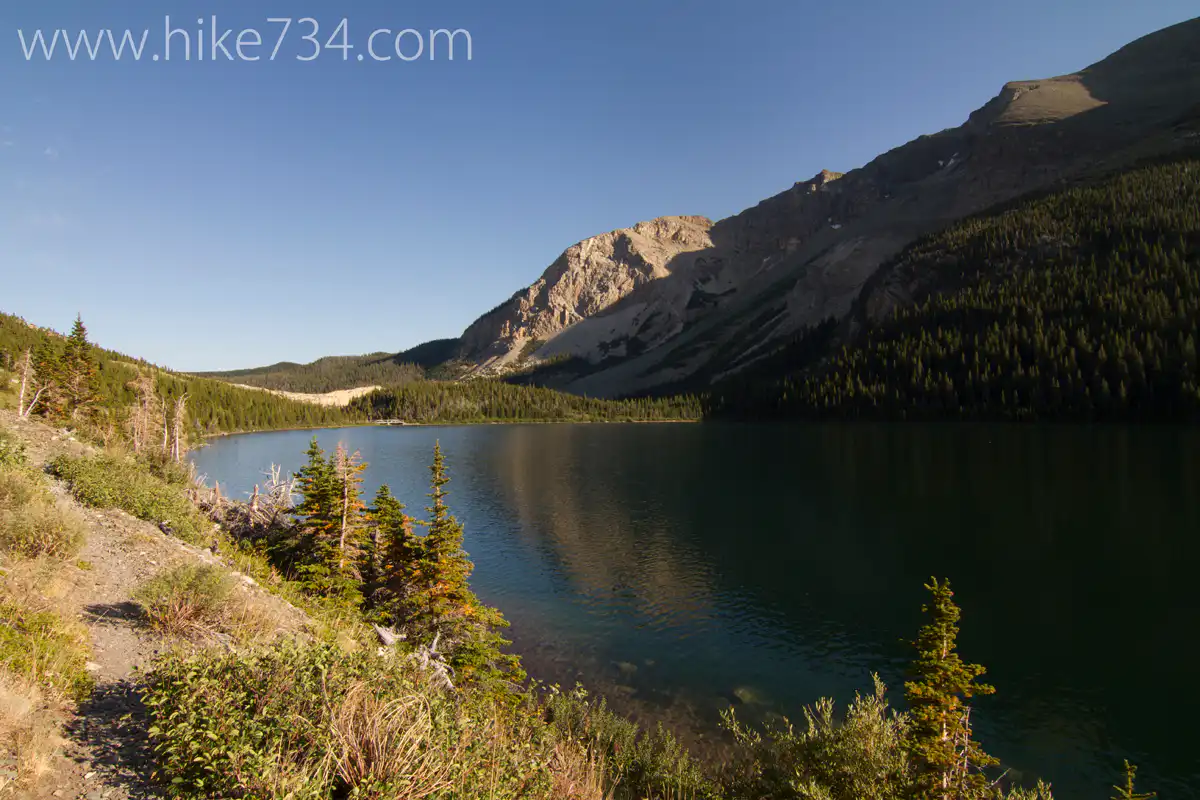
It’s easy to get excited about backpacking in Glacier National Park’s backcountry, but obtaining a walk-in permit can be a bit stressful and tricky. Here are a few tips and tricks to help out. (Resources below the video.)

Anyone who backpacks in Glacier National Park needs a backcountry permit. There are two options: advanced and walk-in. This blog is going to focus on a few tips to get a better walk-in permit.
A walk-in permit is for someone wishing to backpack in Glacier, but hasn’t secured one in advance. To get one, you’ll go into one of the six backcountry permit offices, see what’s available, and formulate a trip. For each backcountry site, about half are reserved for advanced reservations and the other half are saved for walk-in. Below is a list of backcountry permit locations, some tips for getting a trip, and resources to get prepared.
 Backcountry Permit Office Locations
- Apgar Backcountry Office – West Glacier
- Polebridge Ranger Station – North Fork
- St. Mary Visitor Center – St. Mary
- Many Glacier Ranger Station – Many Glacier
- Two Medicine Ranger Station – Two Medicine
- Waterton Lakes National Park Visitor Reception Centre – Waterton, Alberta
Tips
Tip #1 – Arrive at the backcountry office before 7am
The backcountry offices open at 7am, but lines begin forming earlier than that. While you don’t need to spend the night outside, getting there at around 6am isn’t a bad idea during peak season.
Tip #2 – Know what’s available
Check the park’s Walk-In Availability page (only accessible during backpacking season) to see what’s available. This page has walk-in site availability for about 5 days in advance. Keep an eye on it as your trip gets closer so you can be formulating a plan. They also post walk-in availability outside offices, so you can see what’s available while you’re waiting for the office to open.
Tip #3 – A walk-in permit can be obtained the day before a trip starts
While you might show up at 6am and be first in line, someone the day before might have already picked up the site for that night. You can reserve your first campsite for the following night, so if there’s a trip you have to have, you may need it to begin tomorrow night.
Tip #4 – Know what you want
After you have checked the availability, formulate your plan so when you go in, you have an idea of what you are going to do. While you’re fumbling around with what different options you have, someone else is getting spots. This leads us to tip # 5…
Tip #5 – Have alternatives and backup plans
It’s always a good idea to see what’s available and make your plan, but look for creative ways to have alternatives. A trail may have gotten closed or someone might have snatched up a site from underneath you. Think of ways that you could start a loop at a different spot, do the trip backwards or have an alternative site. Also have a couple of completely different trips thought out. The linchpin site you were going to get suddenly is gone, so you may need to go in a different area.
Resources
In addition to the Backpacking Page here on the Hike 734 site, the following resources should help you in planning your backpacking trip:
- Information about park specific fees, passes, and reservations
- Official National Park Backcountry Page – This page is the main repository for Glacier’s backcountry office. Here you’ll find their very important Backcountry Guide, campsite availability, trail status and closures, and safety videos that you can watch now or when you pick up your permit
- Glacier Day-Hikes Map Guide – Helpful features for backpacking: A topographic map with all 65 backcountry campsites marked and labeled with their code names. Also, distances between junctions and/or features have been calculated.



Leave a Reply